One World - Design for inclusion
Program: Erasmus+
Key action: Learning Mobility of Individuals
Action Type: Short-term projects for mobility of learners and staff in adult education (KA122-ADU)
Project Reference: 2025-1-EL01-KA122-ADU-000340947
Start Date - End Date: 01/11/2025 - 29/06/2026
Duration: 6 months
Our role: Coordinator
Topics
- Disabilities
- Inclusion, promoting equality and non-discrimination
- Initial and continuous training for teachers, trainers and other education staff
Find out more about the project:
Background of the project
One World – Design for Inclusion is an Erasmus+ short-term mobility project in the field of adult education, developed by Dracon Rules Design Studio with the aim of strengthening the organisation’s capacity to design and adapt board games for people with intellectual disabilities.
Dracon promotes board games and other non-formal methods as tools for education, socialisation, inclusion and community development. Through its regular work with local organisations such as KDAP MEA Prosvasi, Dracon has identified the need to further develop the skills of its staff, volunteers and game designers in order to create more inclusive, accessible and meaningful game-based activities for people with intellectual disabilities.
Project objective
The main objective of the project is to:
Increase understanding and improve methodologies for creating games targeted to people with intellectual disabilities.
Through this project, Dracon aims to improve the knowledge, empathy and practical skills of its team, so that board games can be better designed, adapted and tested for inclusive educational and social contexts.
Mobility activity
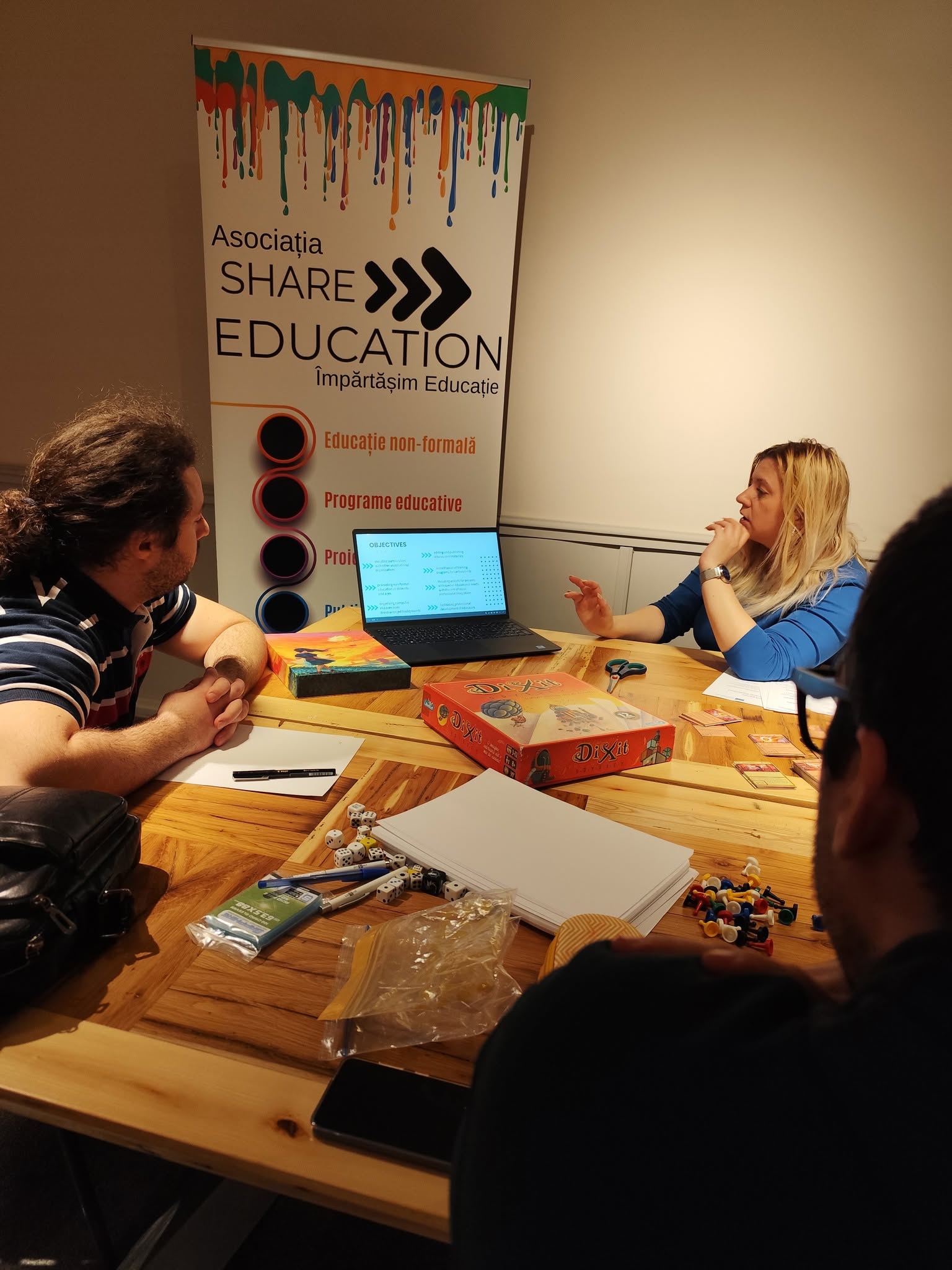
As part of the project, three participants from Dracon will take part in a five-day training course in Romania, hosted by ShareEducation.
The participants will include members of staff and volunteers who are active in game design, development, testing and inclusive activities. One participant with fewer opportunities is also included in the mobility plan.
The training will focus on:
- understanding intellectual disability from educational, psychological and social perspectives;
- learning from psychologists, trainers, families and organisations working with people with intellectual disabilities;
- exploring the needs of different groups connected to people with intellectual disabilities;
- developing practical methodologies for inclusive game creation;
- designing draft games for people with intellectual disabilities;
- testing the games in real conditions;
- evaluating and improving the activities through feedback.
Results
Through One World – Design for Inclusion, Dracon strengthened its capacity to design and adapt board games for people with intellectual disabilities.
The project contributed to:
- improved understanding of intellectual disability among Dracon’s staff and volunteers;
- stronger awareness of the needs of people with intellectual disabilities, their families, trainers and support professionals;
- development of draft game ideas and inclusive activities during the training;
- better skills in adapting board games for different abilities, learning needs and social contexts;
- practical use of the new knowledge in Dracon’s local activities with people with intellectual disabilities;
- stronger cooperation with organisations and professionals active in inclusion and adult education;
- increased motivation among Dracon’s volunteers to take part in inclusive game design and Erasmus+ activities.
After the mobility, the knowledge and methods gained during the training were brought back to Dracon’s regular work and used to improve the organisation’s inclusive board game activities with local groups and partners.
Introductory Sessions and Team Building
No course goes without the proper introductory sessions, especially when it concerns people with intellectual disabilities, their caregivers and their trainers.
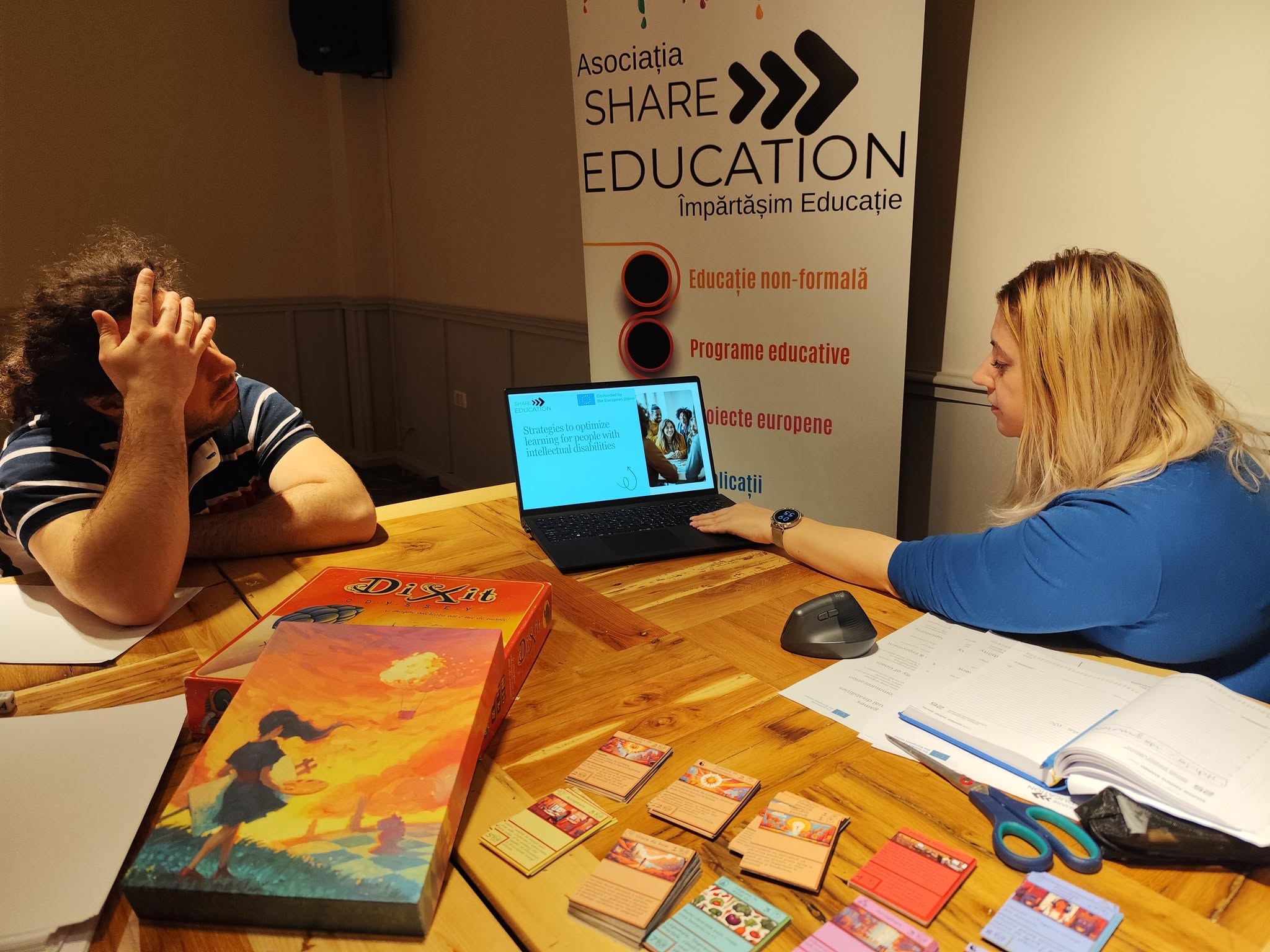
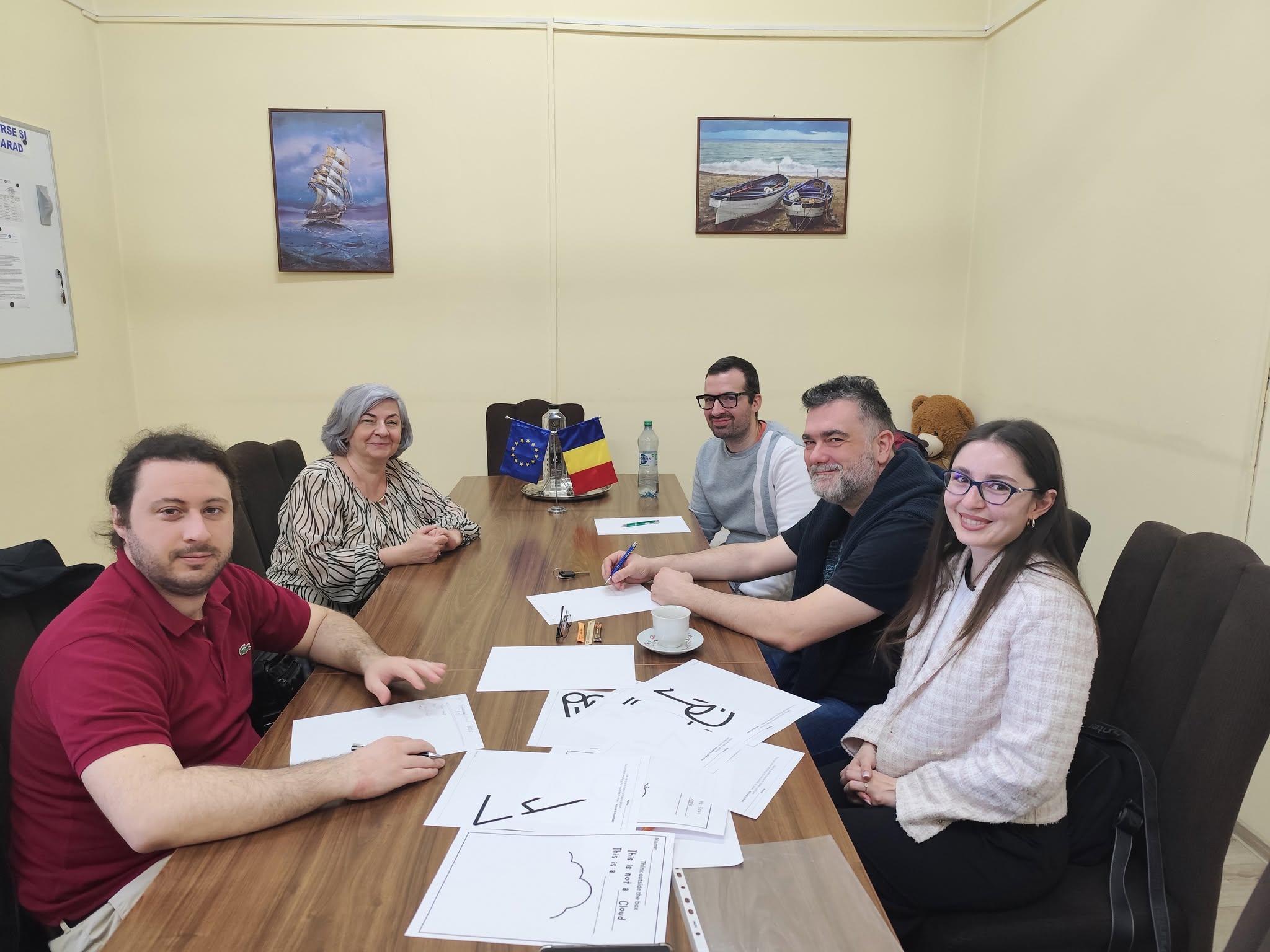
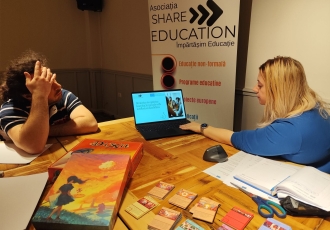
During the first part of the mobility, Dracon members participated in icebreaking and bonding activities that helped create a safe and open learning environment. These activities supported communication between participants and prepared the group for the more sensitive and practical discussions that followed.
Video:
Building the Theoretical Foundation
No course goes without the proper theory.
Participants discussed the topic of intellectual disability, including different levels, characteristics and support needs. The sessions also explored ways to approach activities as a facilitator, how to adapt communication, and how games or simple objects can become useful tools for learning, interaction and inclusion.
This theoretical foundation helped participants better understand that inclusive game design starts with listening, observing and adapting to the needs of the people involved.
Video:
Discussions with experts
The course continued with discussions with experts in the field.
Participants explored real case examples, ways to approach different situations, reward-based methods, and the role of simple games as tools for psychologists and facilitators. These conversations helped connect theory with practice and offered practical insights into how games can support learning, emotional response, communication and social interaction.
This activity was organised with the collaboration of Clinica Psiho One.
Video:
Listening to caregivers, trainers and volunteers
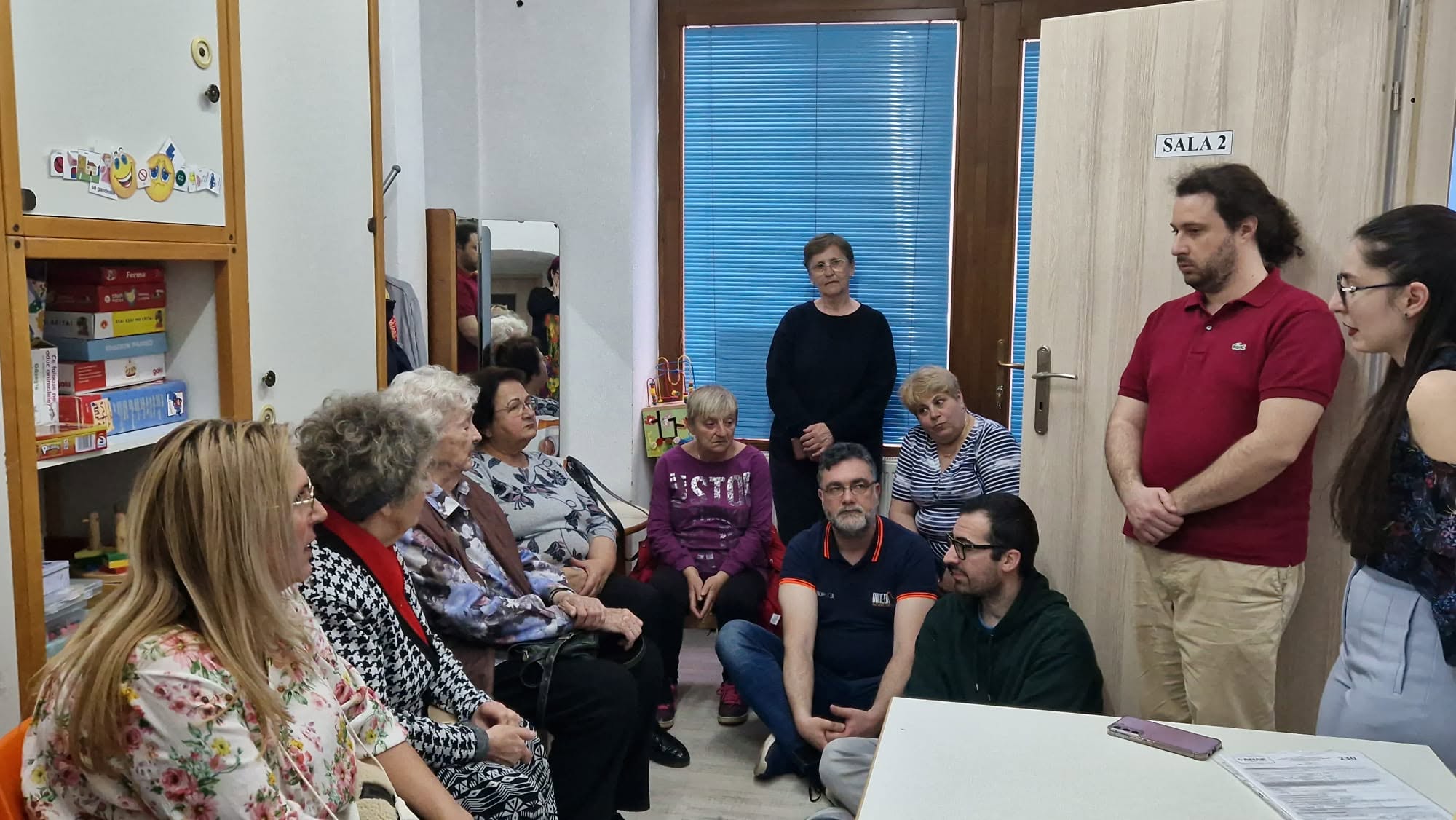
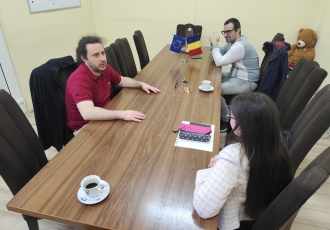
An important part of the course was the direct dialogue with caregivers, trainers and volunteers working with people with intellectual disabilities.
The discussions focused on their needs, wishes, challenges and everyday experiences. Participants also had the opportunity to hear their perspectives on the activities conducted with the people they support, gaining a deeper understanding of what works in practice and what still needs to be improved.
This exchange helped Dracon’s team see inclusive game design not only from the perspective of the designer, but also from the perspective of families, trainers and the people who provide daily support.
Video:
Hands-on testing in real conditions
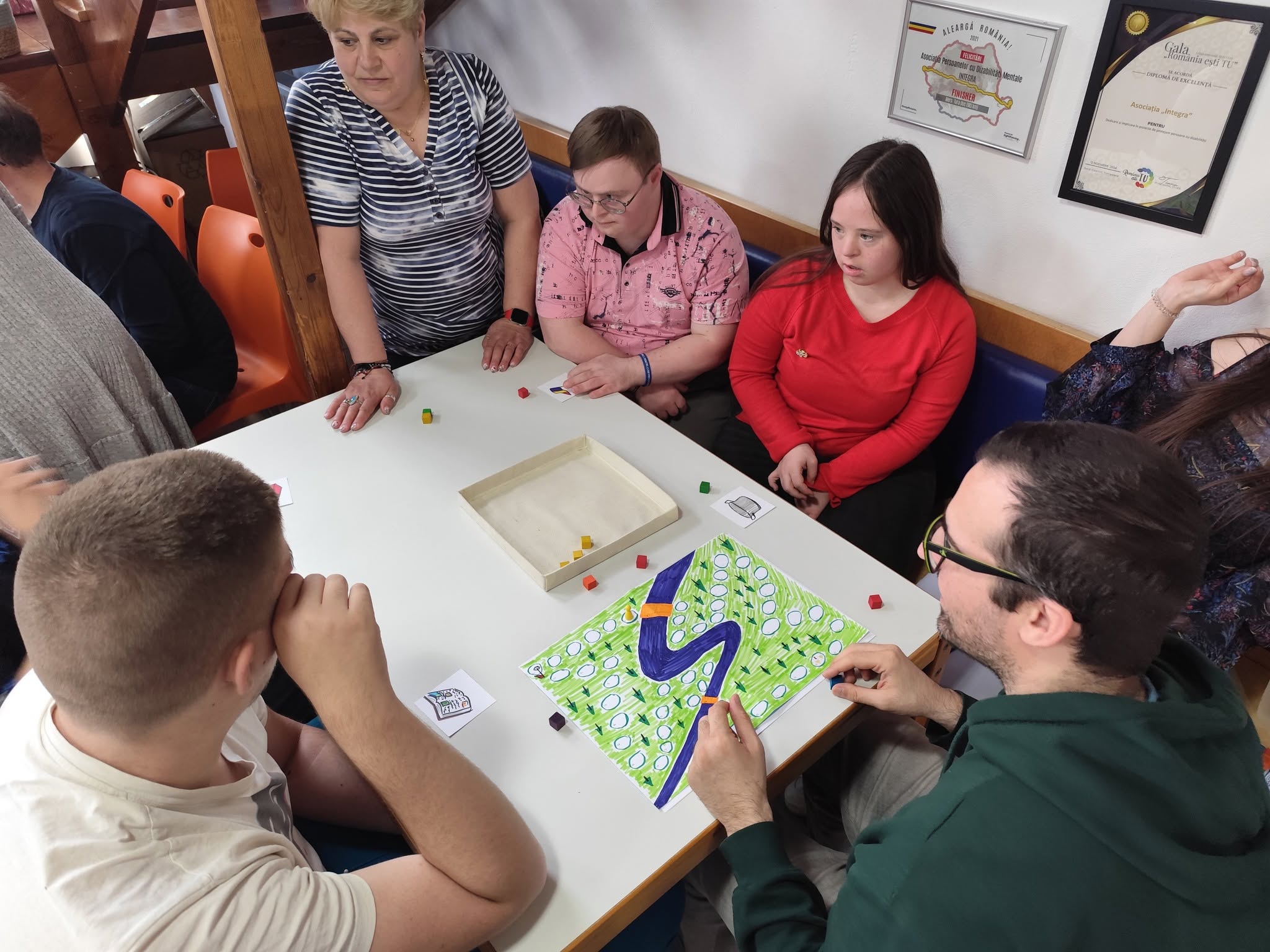
The main event of the course, and the culmination of the project’s efforts, was the hands-on testing activity in real conditions.
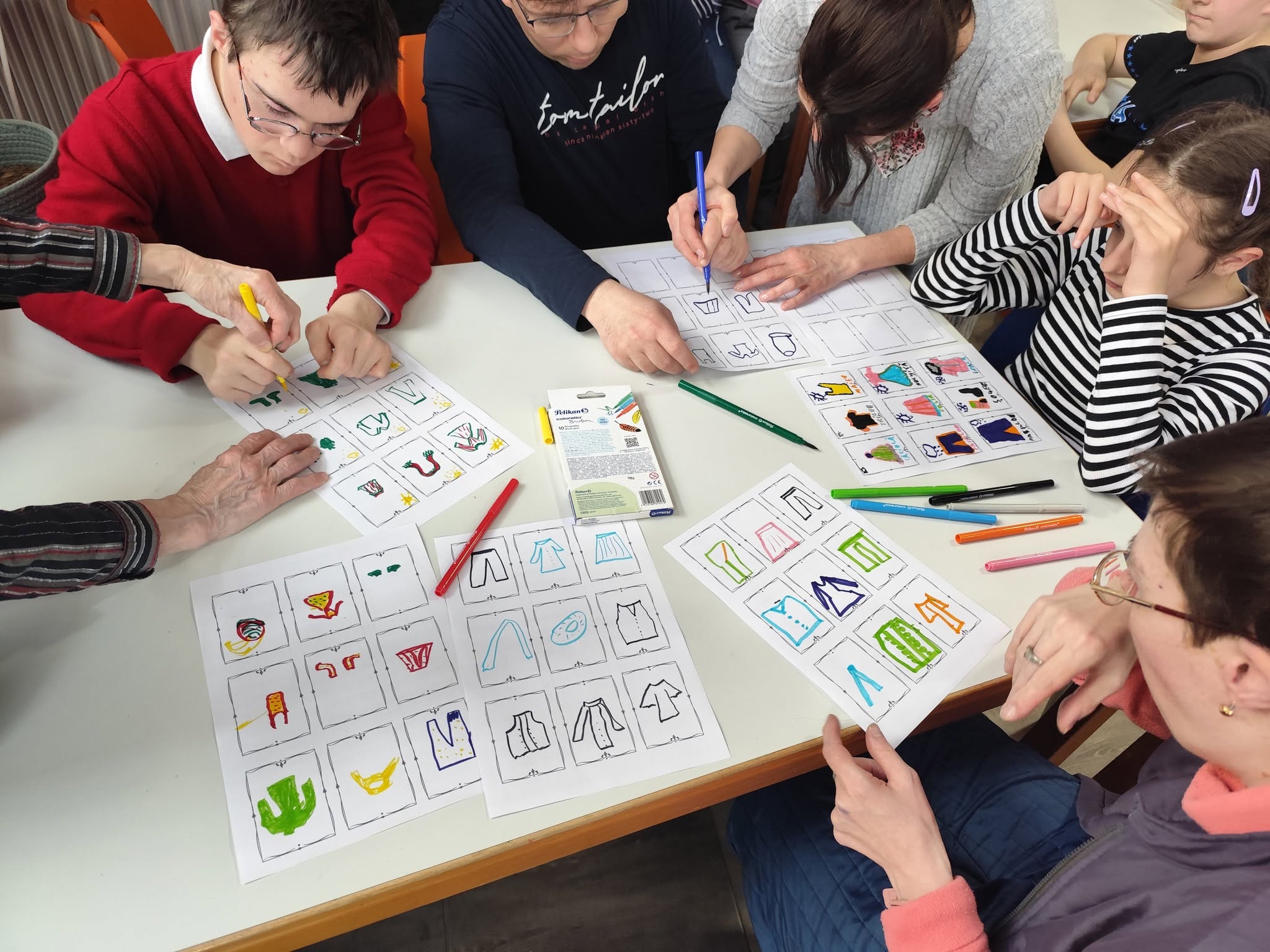
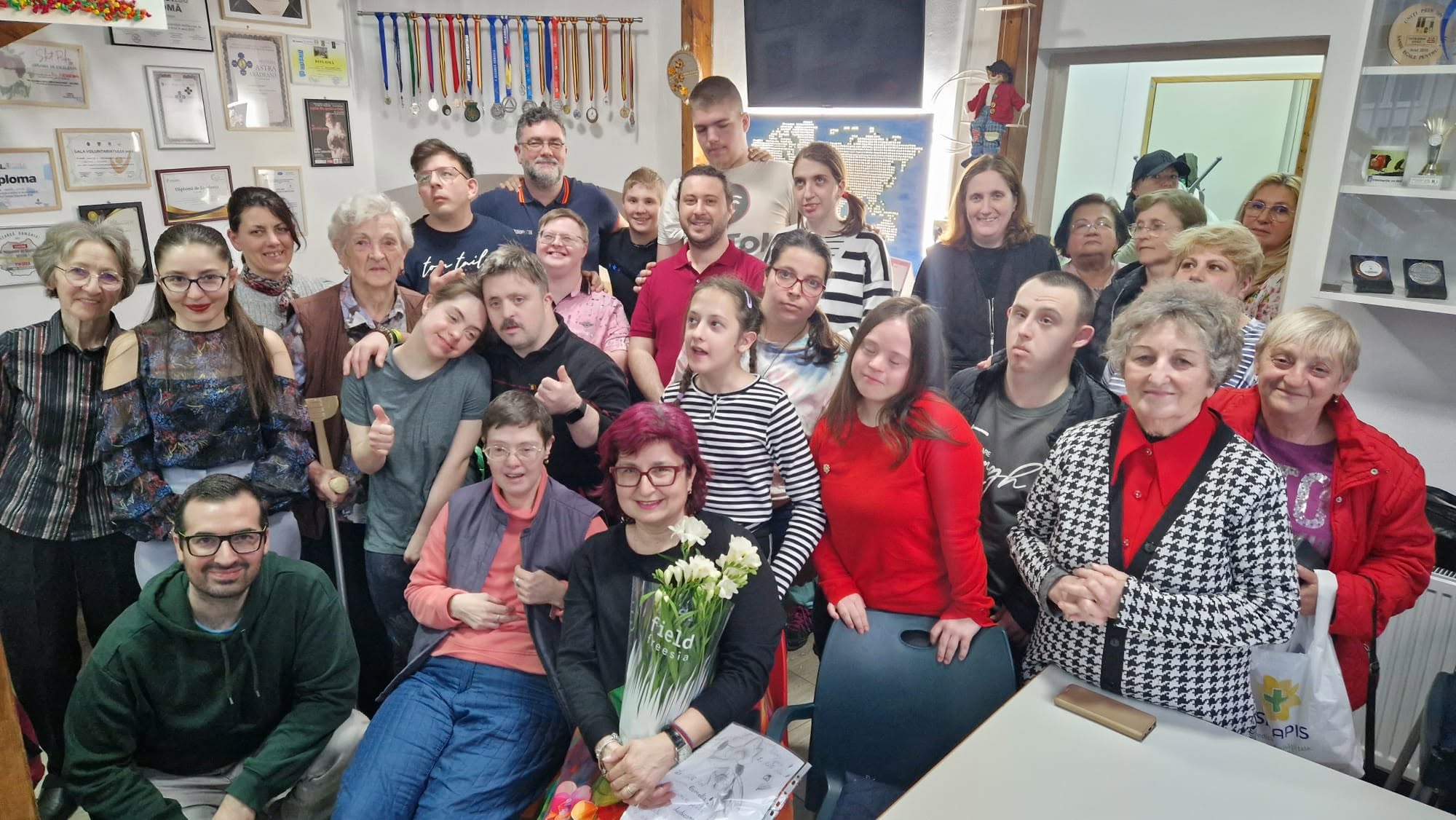
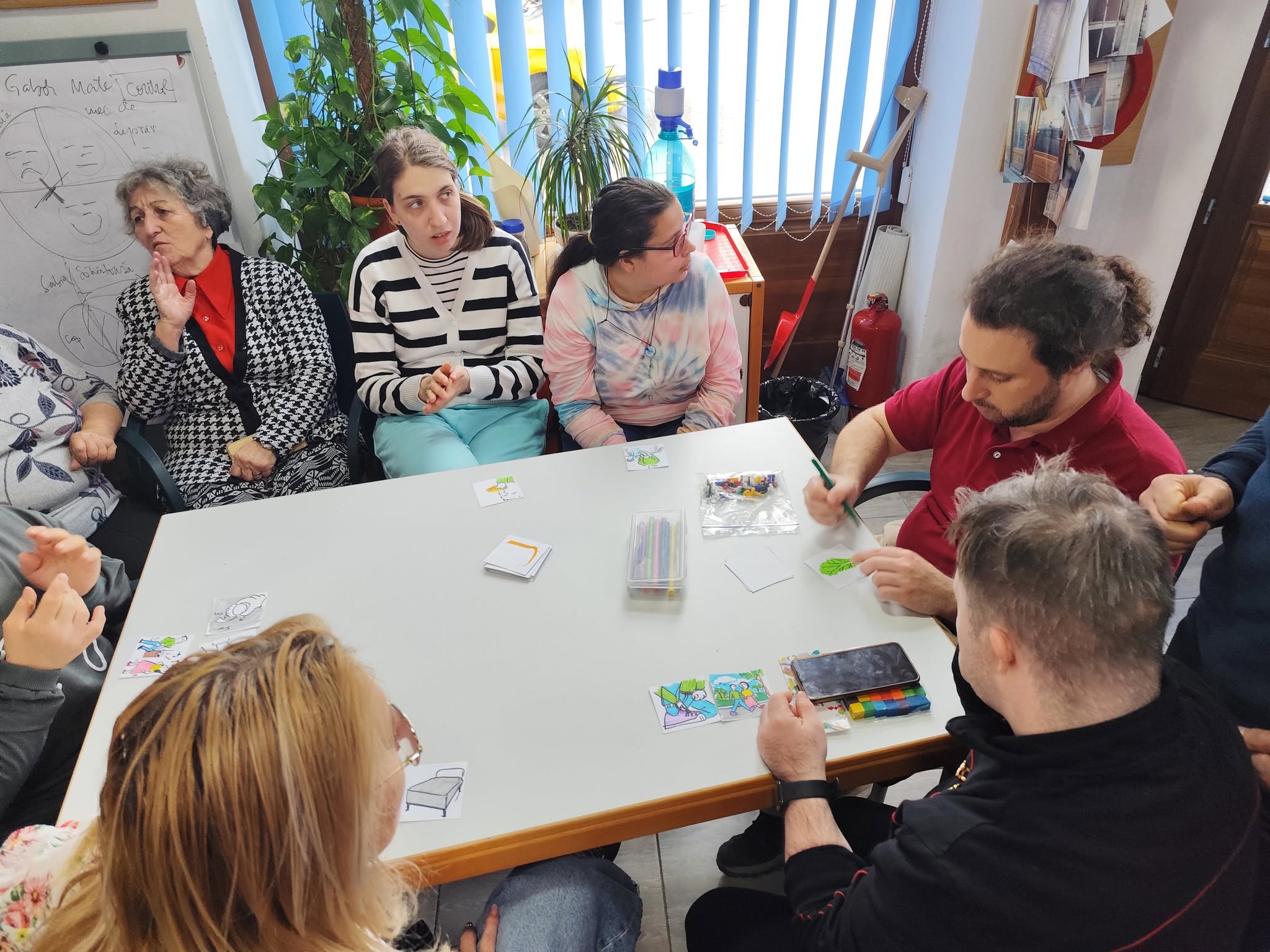
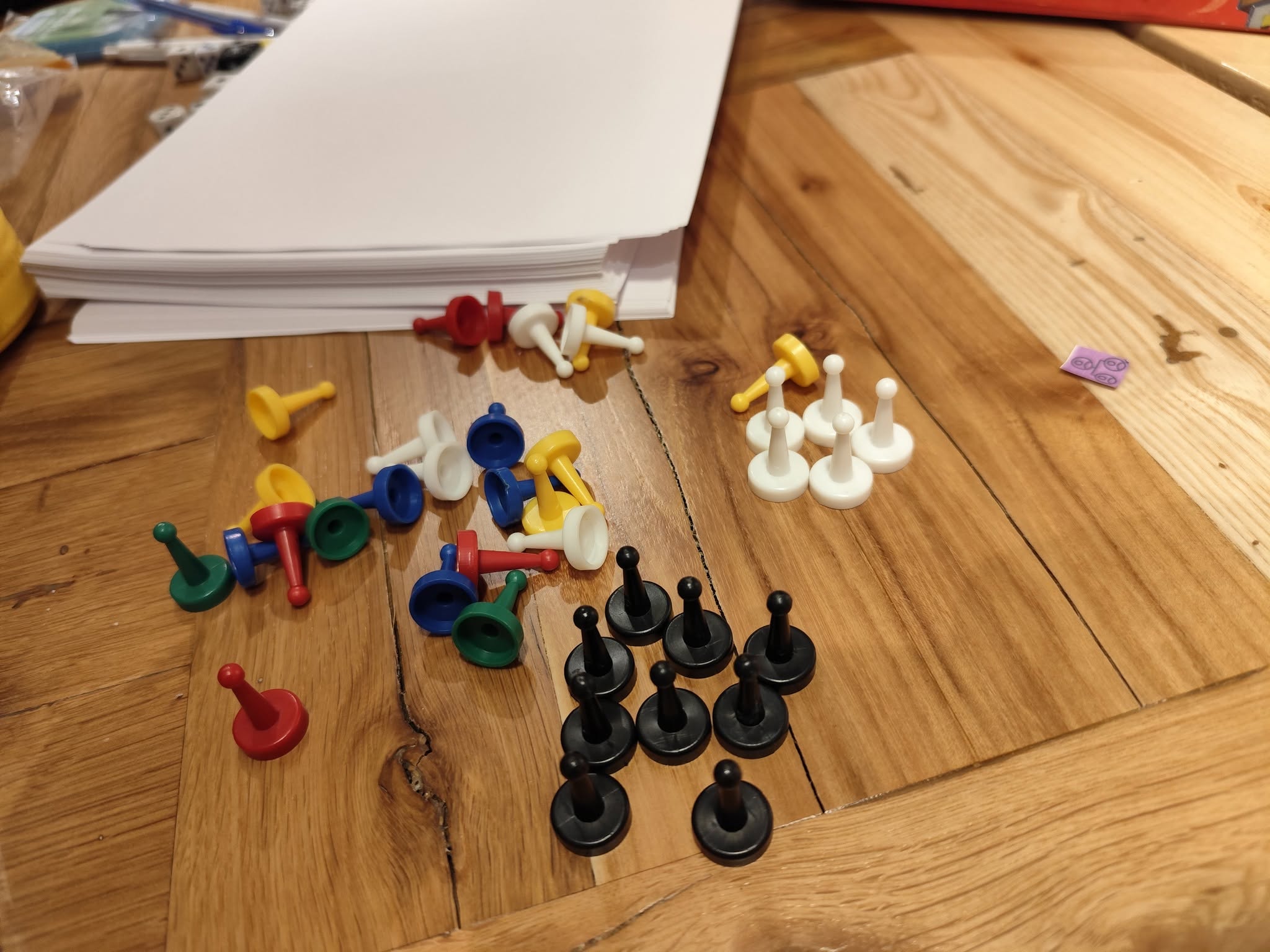
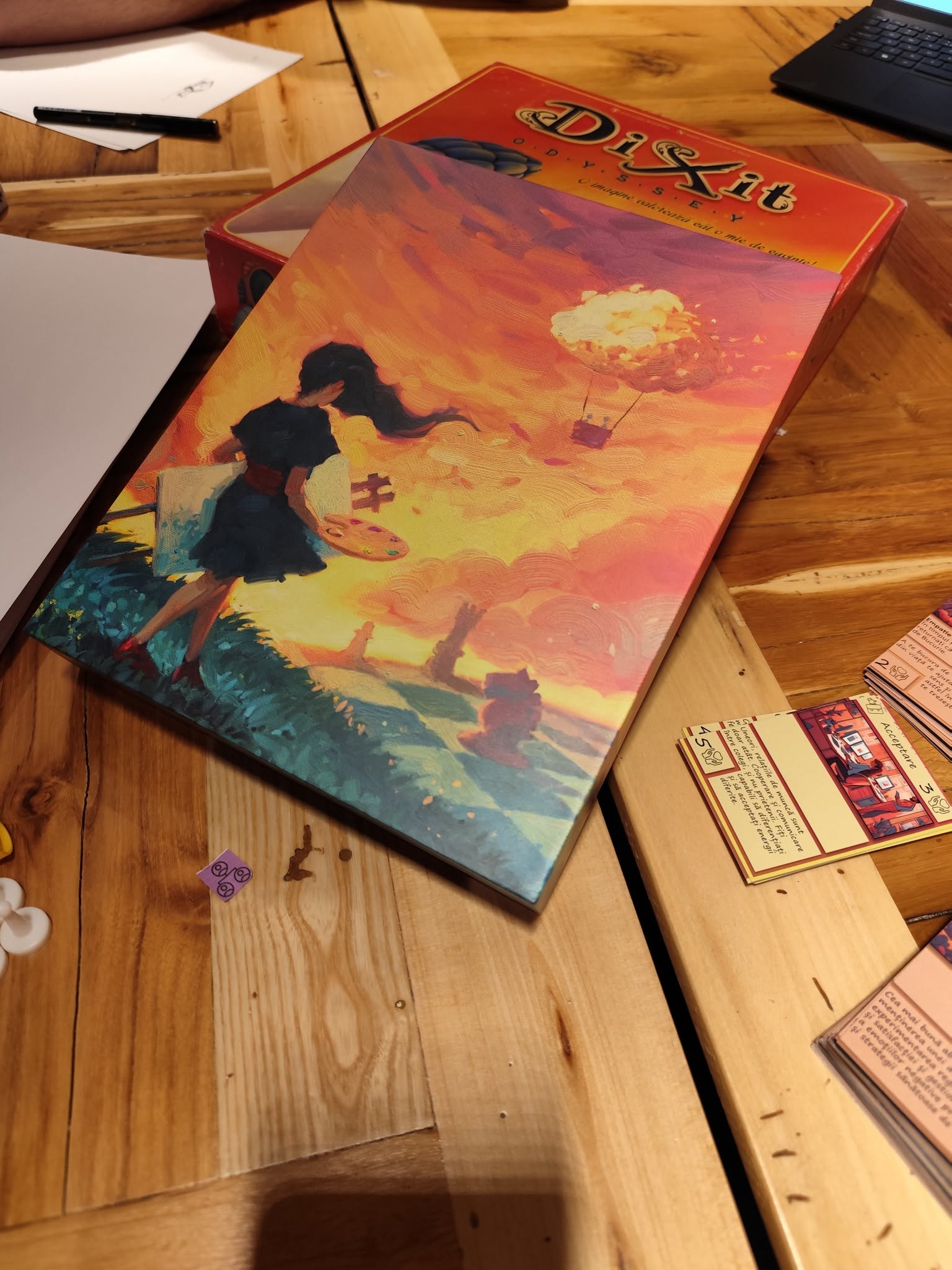
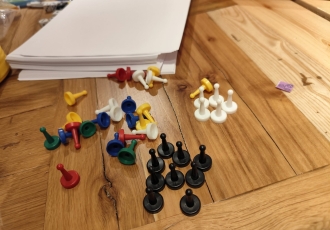
Dracon participants created games for people with intellectual disabilities based on the discussions with specialists, psychologists, trainers, authorities and caregivers. The games were then tested with the support of Integra Arad ONG, allowing participants to observe how the activities worked in practice.
This testing phase gave the team valuable feedback on accessibility, clarity, engagement and emotional response. It also showed how important it is to design games together with the people and communities they are meant to support. Video:
Latest news about the project

With the support of the European Union. However, the views and opinions expressed express solely the views of the authors and do not necessarily reflect the views of the European Union or the State Scholarship Foundation (IKY). Neither the European Union nor the funding authority can be held responsible for them.
Project reference: 2025-1-EL01-KA122-ADU000340947